
The Carbet Falls in Guadeloupe: waterfalls and hikes in the heart of the rainforest
Want to discover a side of Guadeloupe that is radically different from the beaches and lagoons of Grande-Terre? Head to the Carbet Falls, in the heart of the Basse-Terre rainforest.
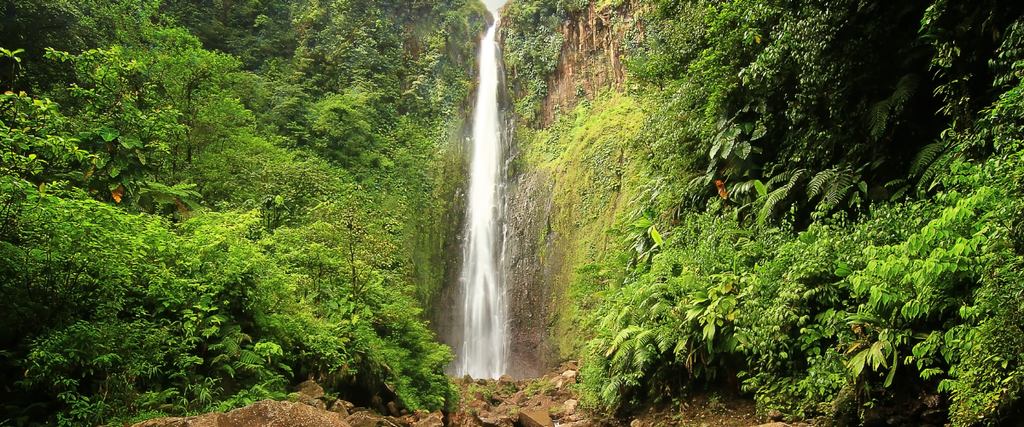
Located in the municipality of Capesterre-Belle-Eau, the Carbet Falls are among Guadeloupe’s most spectacular natural sites. The Grand Carbet River rises on the eastern slopes of the Soufrière massif before cascading down the mountain, forming three main waterfalls.
The atmosphere here is worlds apart from the coast: lush vegetation, giant ferns, tropical humidity, forest trails, and the roar of the water set the scene.
Depending on your fitness level and the time available, you can choose a relatively short hike to the Second Carbet Fall or set off on a much more strenuous trek to the first one.
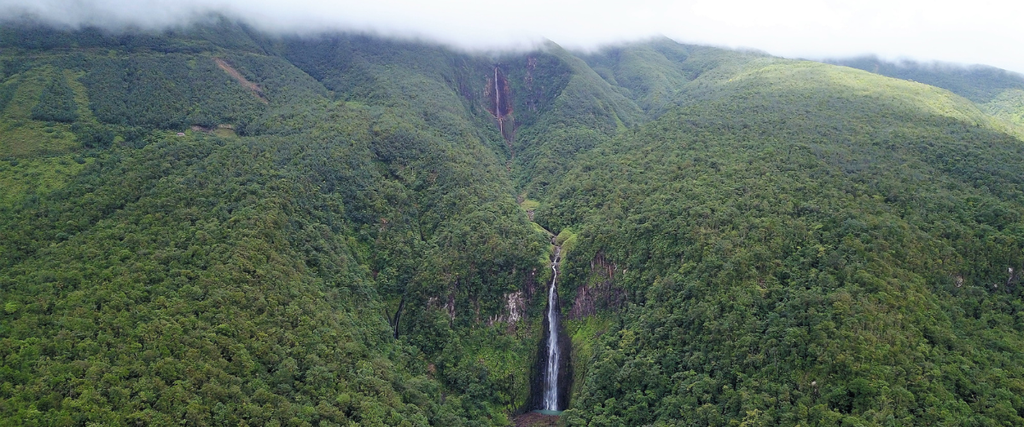
Three Carbet Falls, three different experiences
Contrary to what their name might suggest, the Carbet Falls do not consist of just a single waterfall..
There are three main ones, differing greatly in height, accessibility, and difficulty.
The First Carbet Fall: the highest
With a height of approximately 115 meters spread across two tiers, the First Carbet Fall is the highest of the three.
The National Park estimates a round-trip time of about 3 hours from the visitor area, on a trail that is much more demanding than the one leading to the second fall.
The path climbs gradually through the forest before becoming more strenuous. Some sections can be slippery, and the route notably includes crossing a ravine. The National Park warns that water levels can rise rapidly in the event of rain.
This hike is therefore better suited to experienced hikers with appropriate footwear.
The reward matches the effort: a dizzying waterfall emerging from the midst of tropical vegetation, in a particularly wild setting.
The Second Carbet Fall: the most accessible and best-known
Short on time, or traveling with people who don’t want to go on a long hike?
Choose the Second Carbet Fall instead..
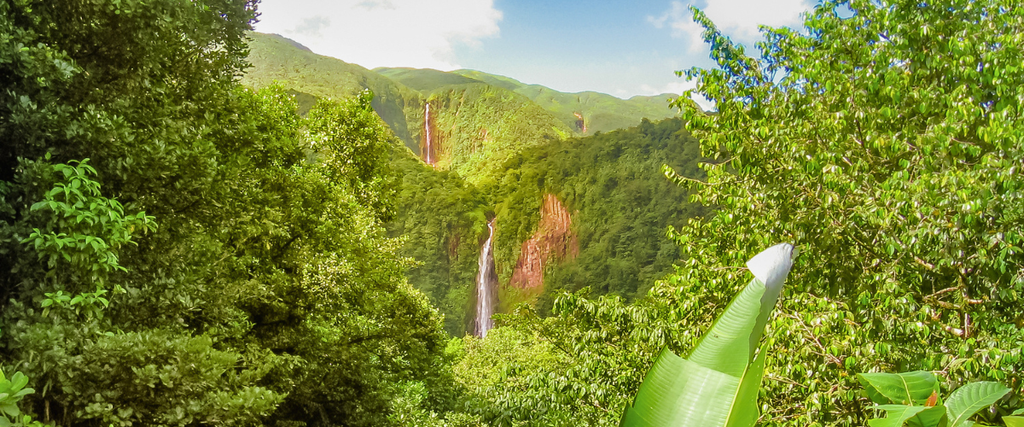
Standing about 110 meters tall, it is the site’s most famous—and, above all, most easily accessible—waterfall. The National Park estimates a 45-minute round trip from the welcome area..
The trail has been improved, allowing you to discover the rainforest without committing to a hike lasting several hours. Part of the path and the first viewpoint have also been fitted with features to improve accessibility.
It is therefore generally the waterfall we would recommend for a first visit to the site or if you wish to include the Carbet Falls in a day that involves other sightseeing stops.
The Third Carbet Waterfall: lower, but powerful
The Third Carbet Waterfall is very different from the previous two.
It measures approximately 20 meters, but its main appeal lies in the volume of water rushing into a circular pool.
It is accessed from a different area, via the Routhiers road.
However, please note: access to the very base of the third waterfall is prohibited due to the risk of rockfalls. The trail remains open up to the authorized area, but you must strictly observe the signage and not cross the barriers.
This is an important point to clarify on your page: much older tourism content might give the impression that you can freely reach the pool.
A hike in the heart of Guadeloupe National Park
Visiting the Carbet Falls is about more than just seeing a waterfall.
A large part of the experience lies in traversing the tropical rainforest of Basse-Terre.
The vegetation becomes extremely dense: tree ferns, vines, mosses, and tropical trees line the trails, while the humidity and waterways serve as constant reminders that you are in the heart of a volcanic, tropical environment.
The hiking network is maintained by Guadeloupe National Park, which manages around 300 kilometers of trails across its natural areas.
For nature lovers, this is a side of Guadeloupe that would be a shame to miss.
Which Carbet Fall should you choose?
The choice depends mainly on your fitness level and the time you have available.
For an easy and relatively quick visit, opt for the Second Fall. It is the best choice if you want to discover the site without dedicating a full half-day to hiking.
If you enjoy walking and want a much more strenuous hiking experience, the Première Chute du Carbet (First Carbet Waterfall) is far more impressive as a hike.
As for the third waterfall, it is a different excursion altogether, with a separate starting point and restricted access in the immediate vicinity of the falls.
And why not discover the Grand Étang as well?
If you are still in the mood for nature after visiting the waterfalls, the area also offers the chance to explore the Grand Étang.
The National Park offers a trail taking about 1 hour 30 minutes to circle this natural area; it is considered a relatively easy walk, despite a few sections that can be slippery.
It makes for an excellent alternative for those wishing to walk in the rainforest without tackling the more challenging Première Chute trail.
When should you visit the Carbet Waterfalls?
In a tropical climate, the weather is a crucial factor to consider.
Paths can quickly become wet and slippery, and water levels in some streams can rise following heavy rainfall. The National Park recommends checking the weather forecast before setting out and exercising extra caution in rainy weather.
Sturdy footwear is therefore highly recommended.
Also, bring water, rain gear, and perhaps a change of clothes. Even when the weather looks pleasant on the coast, conditions can be very different in the highlands of Basse-Terre.
The official website currently lists a visitor area open daily from 7 a.m. to 5 p.m., featuring parking, restrooms, an observation deck, and a picnic area. Some services require a fee.
I deliberately advise against listing a specific price on your page; rates may change, requiring you to update the content regularly.
Always check trail conditions before setting out.
This is probably the most important practical tip to share with your visitors.
Tropical conditions, heavy rain, and landslides can lead to temporary closures or route changes..
The area has experienced several closures or maintenance periods in the past, particularly on the Première Chute trail. It is therefore best to check official information on the morning of the hike or the day before.
To plan your excursion and check the latest access conditions, visit the official website of the Guadeloupe National Park.
The Carbet Falls: another side of Guadeloupe
After the turquoise waters, coconut palms, and beaches of Grande-Terre, the Carbet Falls offer a spectacular change of scenery.
In just a few hours, you can go from the Caribbean coast to a genuine tropical rainforest dominated by the Soufrière massif.
Whether you choose the Second Fall for a relatively easy walk or the First for a much more strenuous hike, the sight is impressive: tens of meters of water cascading down volcanic cliffs amidst lush vegetation..
It is precisely this diversity that makes a stay in Guadeloupe so interesting.
Beaches in the morning, rainforest the next day, surfing, diving, waterfalls, or hiking: every day can offer a completely different experience.